

Understanding your nervous system and emotional regulation is becoming increasingly relevant to how we lead, perform, and recover under pressure.
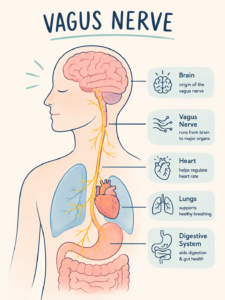
Dr. Kevin J. Tracey, president and CEO of the Feinstein Institutes for Medical Research and a pioneer in vagus nerve research, shares a compelling perspective on the body’s major two-way superhighway: the vagus nerve, a network of 200,000 fibers coordinating critical functions throughout your body and performing specialized jobs to keep you healthy. In his latest book, The Great Nerve: The New Science of the Vagus Nerve and How to Harness Its Healing Reflexes, Tracey explores how this complex system connects your brain to vital organs, helping regulate heart rate, inflammation, and overall balance in the body.
The Big Idea
The vagus nerve plays a central role in how your body maintains stability and responds to stress. While there is a growing wave of “biohacking” advice (trendy wellness hacks) online, Dr. Tracey emphasizes that many claims are overstated or lack solid backing. Much of the popular advice on “optimizing” vagal tone (your body’s capacity to relax and recover) is not yet supported by robust scientific evidence. While tools and techniques can help, they are not magic fixes. The basics still matter most.
The real foundation of a healthy nervous system depends on everyday habits, not gadgets. Simple, consistent practices like breathwork, physical movement, social connection, and quality sleep play a meaningful role in regulating your nervous system and reducing inflammation.
Six Practical Ways to Support Your Vagus Nerve
- Practice slow, deep breathing. Try a simple practice called “straw breathing”: inhale for three seconds, then exhale slowly for seven seconds through pursed lips—like you’re blowing through a straw or gently blowing out candles on a cake. Just a few minutes each day can help calm your system. One of my clients uses this practice during board meetings to stay grounded and calm.
- Prioritize regular exercise. Consistent aerobic movement, like walking, cycling, hiking, or jogging, supports overall nervous system health.
- Get restorative sleep. Aim for seven to eight hours of quality sleep each night. Sleep is emotional first aid, and your nervous system depends on it.
- Cultivate social connection. Meaningful relationships and community engagement are deeply supportive for your emotional and physiological health.
- Try safe cold exposure. You don’t need expensive tubs or retreats. Simply ending your shower with two to three minutes of cold water or splashing your face with cold water can gently stimulate your vagus nerve (check with your doctor first).
- Incorporate mindfulness or meditation. Simple, daily practices that focus on relaxation and breath awareness can promote calm and resilience. Research suggests even eight minutes a day, including short “micro-hits” throughout the day, can make a meaningful impact.
The takeaway is straightforward: emotional regulation and nervous system health are built through simple, consistent habits, not complexity or gadgets.
For more information, click here to listen to the podcast The Science of Regulating Your Nervous System with Dr. Kevin Tracey on 10% with Dan Harris (April 27 2026; one hour 25 minutes).